

AMR and cancer.
The link between AMR and cancer.
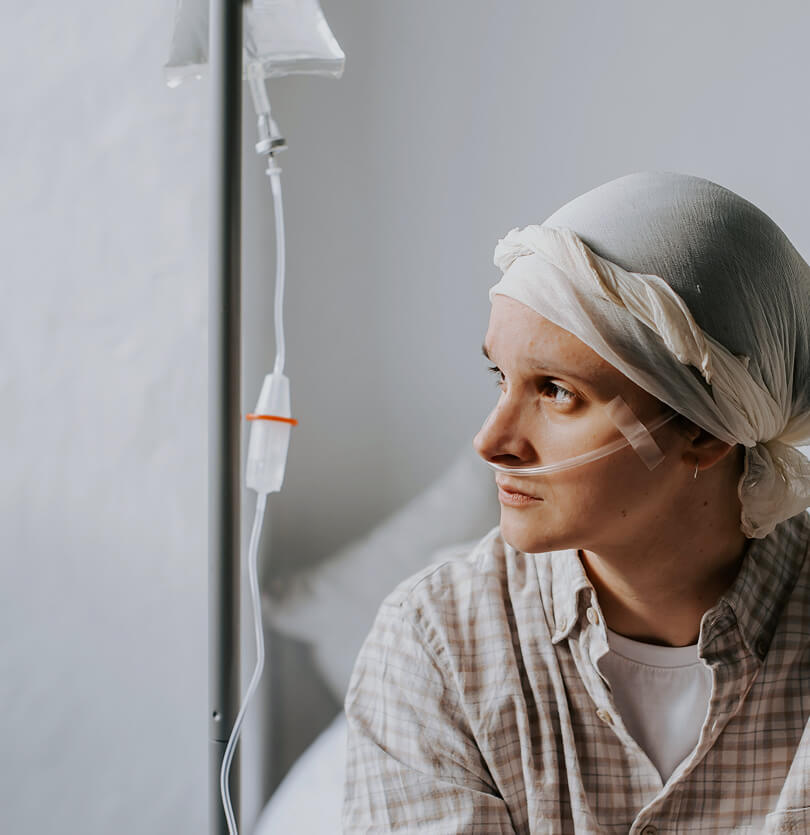
Cancer survival rates have never been higher. But such progress is being undermined by bacterial infections, which are now associated with half of all cancer deaths. Cancer therapies often weaken the immune system, making patients more susceptible to infections. In the past, these could be treated with relative ease with a course of antibiotics. But more recently, clinicians have found that the antibiotics at their disposal are becoming increasingly less effective due to the rise of drug resistance. So, infections in cancer patients are becoming harder to treat. As a result, we are seeing more people survive cancer only to lose their lives to infections that were once highly treatable.
Without new and effective antibiotics, it is only going to get worse for those fighting cancer.

2nd
Leading cause of death among cancer patients is due to infections.

Cancer patients hospitalized during treatment due to infections.

vs. $132 million, the amount of money invested into cancer research compared with antibiotic research, respectively, in the US in 2019.
What needs to be done?
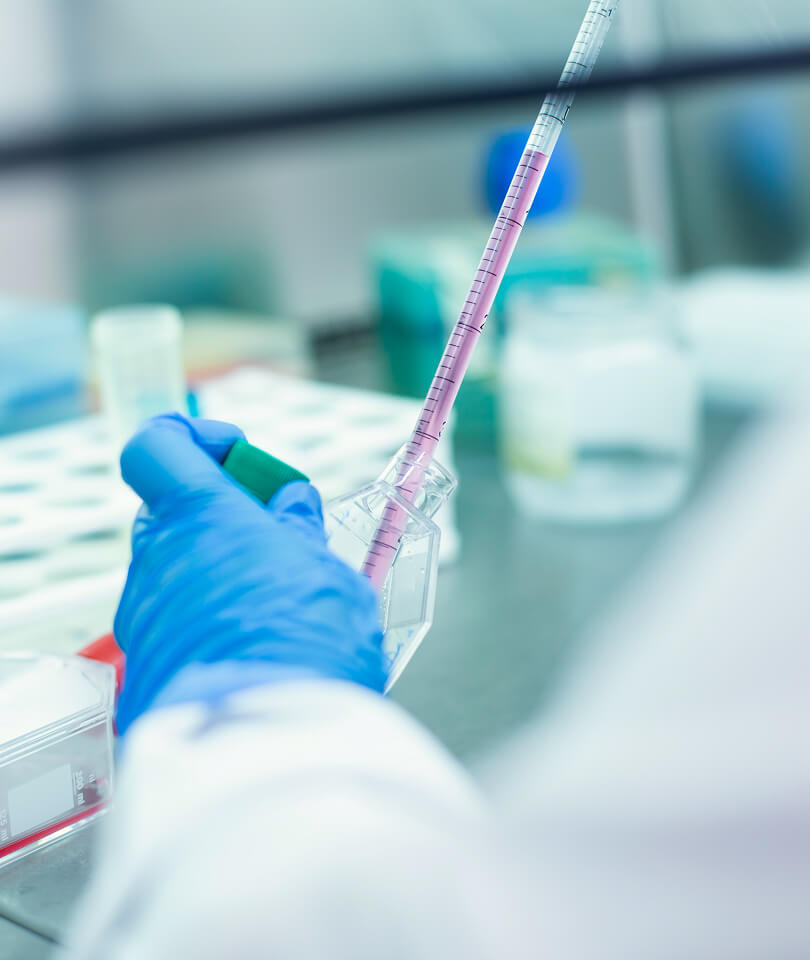
To face the threat of AMR, including for cancer patients, there is an urgent need to ensure that we continue to obtain new and effective antibiotics against drug-resistant infections. We must address the overlooked issue of limited access to essential antibiotics, especially in low- and middle-income countries. Addressing antibiotic innovation and access will require increasing investment through coordinated funding, novel incentives and partnerships designed around public health impact.
Such investment, in addition to advancements in cancer innovation, will be critical to sustaining high-quality cancer care.

Revive
the antibiotic research and development pipeline.

Improve
access to essential antibiotics, for everyone, everywhere.

Increase
investment in antibiotic innovation, in addition to advancing cancer innovation.