

AMR and conflict.
The link between conflict and AMR.
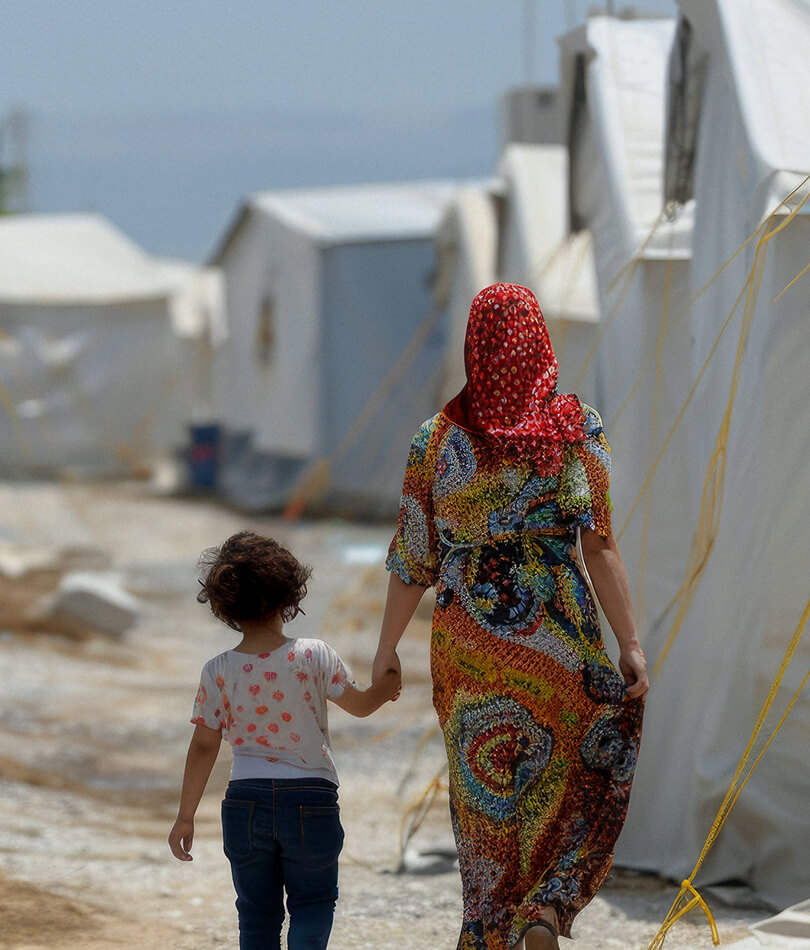
Today, the number of conflicts across the globe is at an historical high and rising. Currently one third of the world’s population – 2.4 billion people – live in conflict zones. In addition to the death and destruction that this trend entails, there is another enduring and deadly legacy – the impact it is having on drug-resistant infections.
War damages essential infrastructure and disrupts health systems, limiting access to clean water, sanitation, medical supplies, and vaccinations. Combined with displacement, overcrowding, and difficulties maintaining sterile conditions in battlefield care, these pressures drive infections and force medics to rely on last-resort antibiotics, accelerating drug resistance.
This was seen among U.S. soldiers returning from Iraq and Afghanistan, where multidrug-resistant Acinetobacter baumannii – nicknamed “Iraqibacter”– caused hard to treat infections and has since become a major cause of hospital-acquired infections in the US and beyond.

70
Isolates in Al-Awda Hospital’s surgical reconstruction project in Gaza that were multidrug-resistant.

Increase in potentially lethal infections in Ukraine due to conflict conditions.
What needs to be done?

Infection prevention and control, while challenging in a war zone, still remains one the most effective weapons to mitigate AMR during a conflict.
We must also ensure that innovative new antibiotics are developed that are effective against multidrug-resistant infections, and ensure that people get access to them, in war zones and beyond.
A change in mindset is also needed to recognize how conflict impacts AMR and the role that public-private partnerships can play to address this.

Strengthen
infection prevention and control.

Develop
new antibiotics and ensure access to them.

Recognize
the link between AMR and conflict, and address the threat of AMR from the lens of health security.