


AMR and global challenges.
Global challenges and trends are compounding the AMR crisis.

Antimicrobial resistance (AMR) lies at the intersection of major global challenges, including climate change, migration and conflict.
Extreme weather and natural disasters facilitate the spread of drug-resistant microbes through poor access to clean water, sanitation and antibiotics. Mass migration puts pressure on health systems and drives demand for and increased use of antibiotic treatments, which may help foster drug resistance. Conflict, in turn, disrupts the normal functioning of health systems and makes it difficult to access clean water and sanitation, which allows microbes to spread.

Antibiotic resistance poses one of the greatest threats to cancer patients.
Cancer survival rates have never been higher. But such progress is being undermined by bacterial infections, which are now associated with half of all cancer deaths. Cancer therapies often weaken the immune system, making patients more susceptible to infections. So, with the rise and spread of drug-resistant infections, infections in cancer patients are becoming increasingly difficult to treat.
As a result, we are seeing more people survive cancer only to lose their lives to infections that were once highly treatable.
Conflict is creating a perfect storm for AMR.
Global conflict is increasingly driving AMR. War damages water and sanitation, disrupts hygiene, and weakens health systems, vaccination programmes, and medical supply chains. Displacement and overcrowding fuel disease outbreaks that are harder to treat due to limited staff and medicines. These conditions accelerate the emergence and spread of drug-resistant infections.
Examples include “Iraqibacter”, a drug-resistant Acinetobacter baumannii infection first seen in soldiers returning from Iraq. Heavy metals in munitions may also contribute to the rise of resistant bacteria.

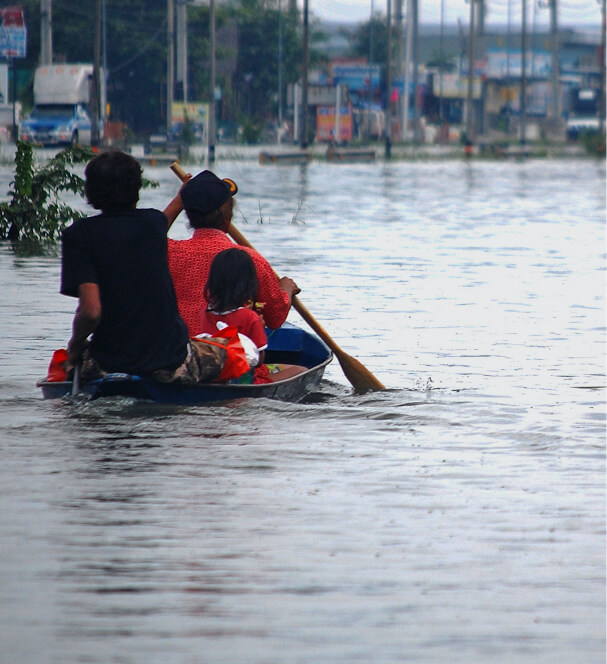
Climate change is exacerbating AMR.
In the coming years, climate change is expected to become an increasingly major driver of AMR, because it creates conditions that help drug-resistant pathogens emerge and spread. Rising temperatures boost bacterial growth, infection rates, and evolutionary pressure for resistance. Extreme weather like floods and droughts disrupt water, sanitation, and disease control, increasing transmission. Displacement and crowded cities further accelerate pathogen spread.
Yet current health models and climate policies often ignore the link between climate change and AMR, undermining efforts to treat infections and protect global health.
The vicious cycle between global health insecurity and AMR.
Global security and global health are intrinsically linked because global security isn’t just a matter of protecting borders and maintaining sovereignty, it is ultimately about keeping people safe. AMR threatens health security by eroding the effectiveness of antibiotics, which are the very foundation of modern medicine, potentially reversing decades of progress.
At the same time, rising global insecurity – due to 21st century challenges such as conflict, climate change, pandemics and migration – is making the burden of AMR worse.
Fuelling deadlier pandemics, failing the most vulnerable.

While AMR affects everyone, it is the most vulnerable, such as newborns, women and the elderly, that often bear the brunt. AMR also has a direct impact on the sexual and reproductive health of both men and women due to the rise of sexually transmitted infections that are becoming drug-resistant. And pandemics are not only becoming deadlier due to AMR – they are accelerating resistance.
The toll of AMR on children, including newborns.
Children, especially newborns, are among the most vulnerable to drug-resistant infections. Under-fives account for 1 in 5 AMR deaths, mostly in LMICs.
Less developed immune systems, too few antibiotics for children (only 10% developed for children between 2000–2022), and poor access to treatments leave them at increased risk. Each year, 450,000 children die as they can’t access effective antibiotics, with poverty and weak infection control fuelling the spread of drug-resistant infections.
The deadly loop of AMR and pandemics.
Drug-resistant infections make pandemics deadlier, while pandemics accelerate resistance. Bacterial co-infections raise mortality during viral outbreaks (as seen during COVID-19), and rising AMR makes them harder – or sometimes impossible – to treat.
Limited access to effective antibiotics, especially in LMICs, further weakens the response, while pandemics drive antibiotic use, fuelling resistance and creating a dangerous cycle that undermines global health security.
AMR and sexual and reproductive health.
AMR and sexual and reproductive health (SRH) are tightly linked because many common sexually transmitted infections (STIs) like gonorrhoea, that seriously impact SRH in men and women, are becoming increasingly difficult to treat due to antibiotic resistance.
Although syphilis, an STI, was the first disease successfully treated with antibiotics, STIs today are at record highs, with over one million curable infections acquired daily.