

AMR and health security.
The vicious cycle between global health insecurity and AMR.
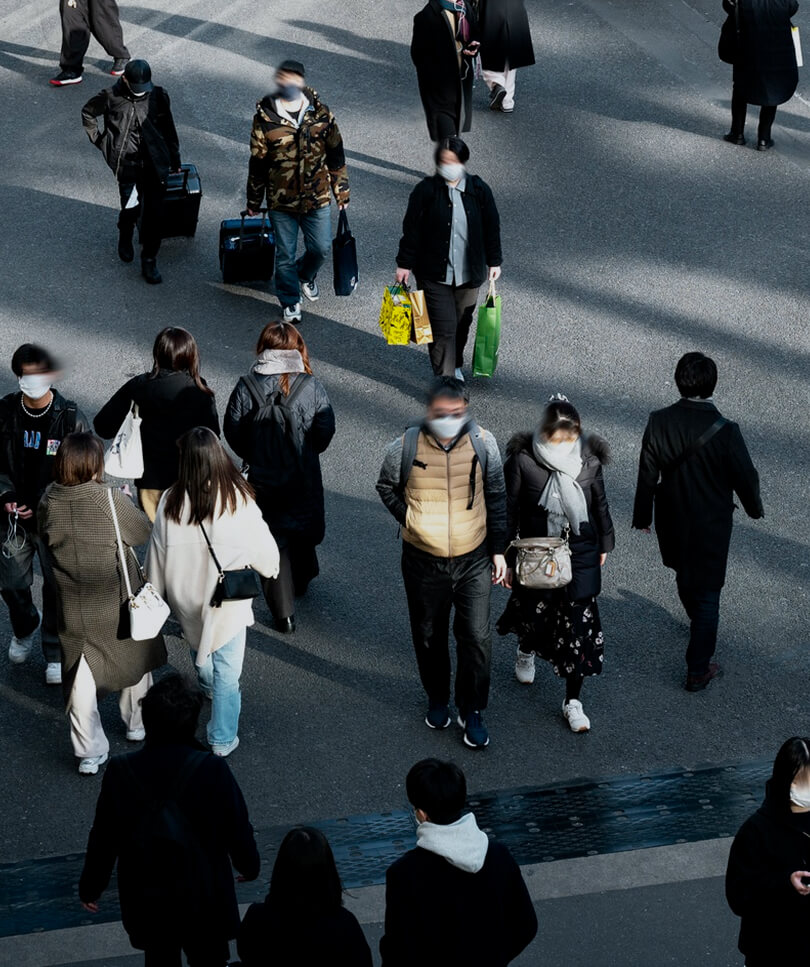
Global security and global health are intrinsically linked because global security isn’t just a matter of protecting borders and maintaining sovereignty, it is ultimately about keeping people safe. Antimicrobial resistance (AMR) threatens health security by eroding the effectiveness of antibiotics, which are the very foundation of modern medicine, potentially reversing decades of progress.
At the same time, rising global insecurity – due to 21st century challenges such as conflict, climate change, pandemics and migration – is making the burden of AMR worse. Conflict, for example, doesn’t just encourage the spread of drug-resistant infections, but also creates perfect conditions for them to emerge. Climate change-linked extreme weather events can increase the spread of drug resistance, while increases in global temperatures put selective pressure on bacteria to mutate and develop resistance. Climate change and pandemics can also cause surges in antibiotic use, which helps to drive up drug resistance.

Higher number of potentially deadly drug-resistant infections in Ukraine than in neighbouring countries.

Increase in drug-resistant pathogens associated with a 1°C rise in air temperature in China.

Increase in risk of death due to secondary bacterial infections during a pandemic.
What needs to be done?
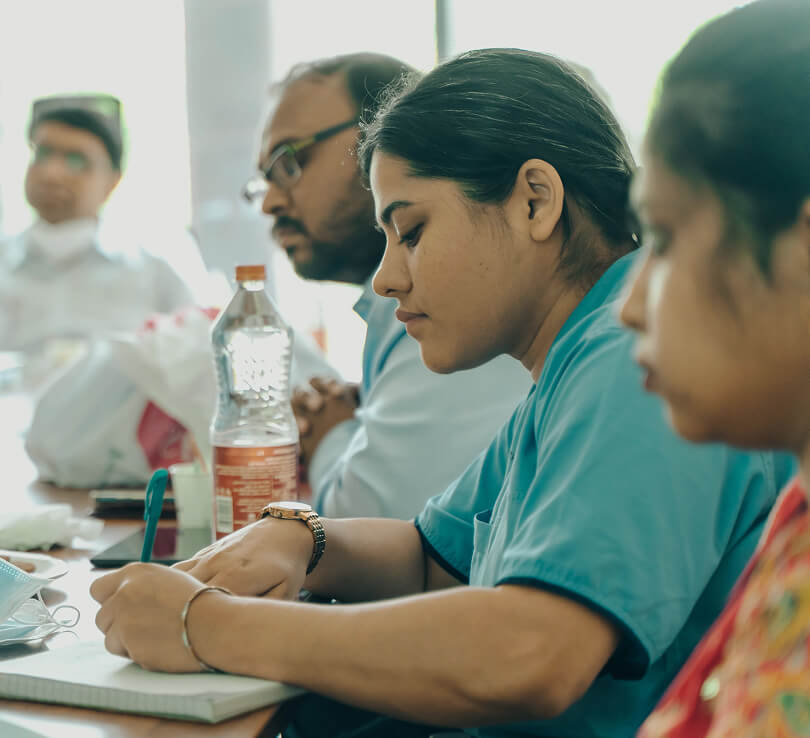
To mitigate the impact of AMR on global health security and break the vicious cycle between global health insecurity and AMR, there is a need to reinforce health initiatives, increase sustainable funding, and deepen international collaboration directed at the intersection of AMR and health security.
Achieving these will require continuous dialogue between health and security leaders, and integration of AMR into the global health security agenda.