

NeoSep1 trial.
Combining existing antibiotics to treat neonatal sepsis.
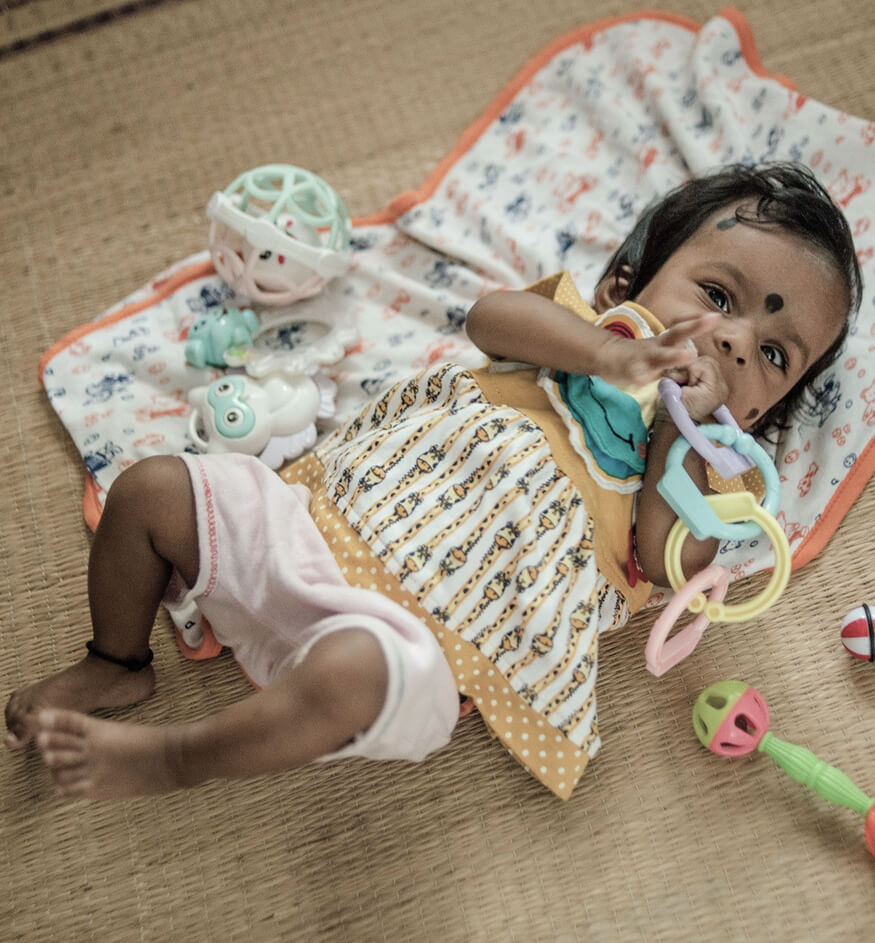
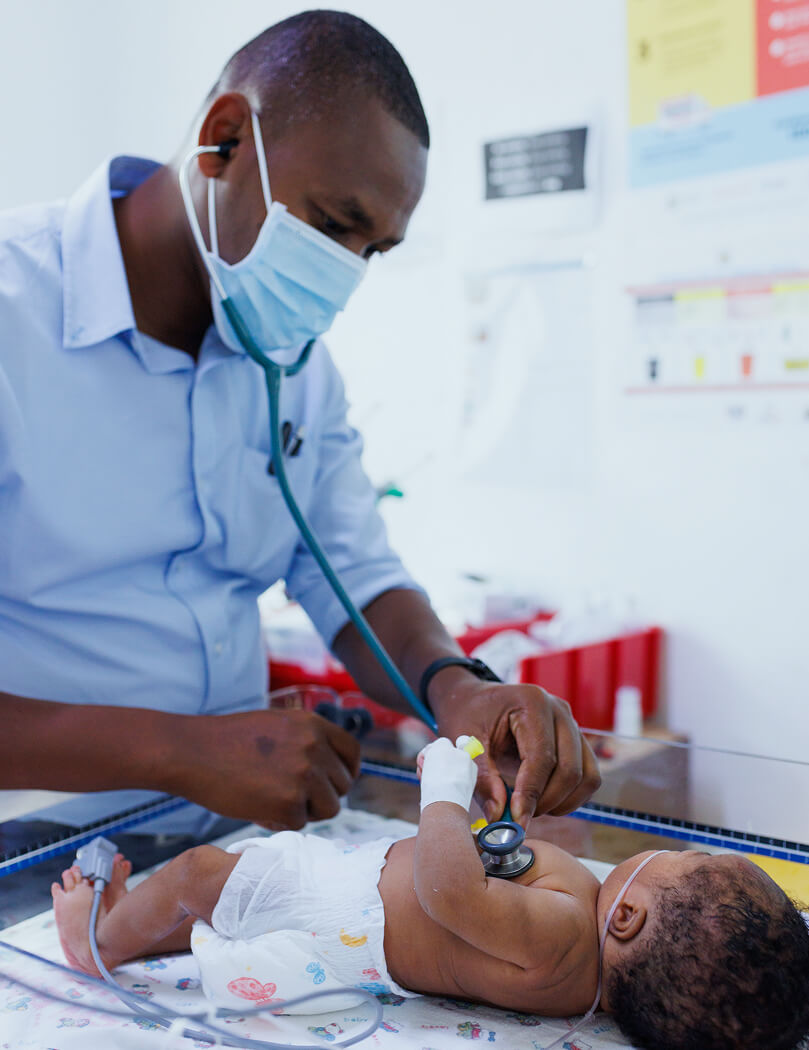
NeoSep1 is an innovative large-scale clinical trial sponsored by GARDP, aimed at reducing child mortality and improving outcomes for babies with drug-resistant infections like sepsis. The trial is exploring potential new treatment regimens for newborns, including three older antibiotics – fosfomycin, flomoxef and amikacin – when used in different combinations, and other antibiotic regimens routinely used to treat neonatal sepsis. The innovative trial design will identify optimal solutions for infants by generating actionable treatment data.
By tackling such a complex challenge that others have avoided demonstrates GARDP’s leadership and critical role as an innovator.
The initial phase of the trial, Part 1, focused on validating doses of fosfomycin and flomoxef that are suitable for use in newborns, when used in combination.
Findings from Part 1 of the NeoSep1 trial showed that the off-patent antibiotics, fosfomycin and flomoxef, are safe and well tolerated in newborns with suspected sepsis. They were published in Antimicrobial Agents and Chemotherapy.
Part 2 aims to assess the safety and efficacy of the different combinations – fosfomycin-amikacin, flomoxef-amikacin and flomoxef-fosfomycin, together with five existing treatment regimens, including ampicillion and gentamicin, currently recommended by the World Health Organization (WHO).
The trial will also consider how these combination treatments can best be used in hospital settings with varying levels of antibiotic resistance. Part 1 of the trial took place at hospitals in Kenya and South Africa. Part 2 is expanding to other countries in Africa and Asia with the aim of enrolling 3,000 newborns globally by end 2028.
The journey leading up to NeoSep1.
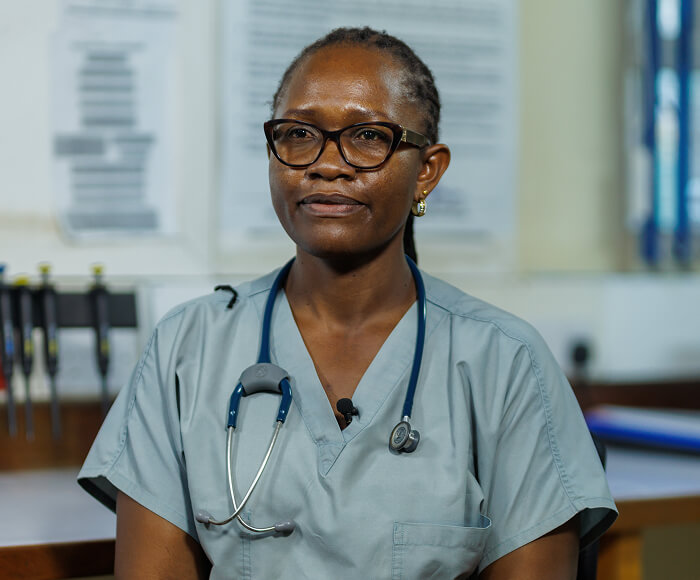
The NeoSep1 trial builds on findings from the global neonatal sepsis observational study (NeoOBS) carried out by GARDP and partners (results published in PLOS Medicine), and on additional research leading up to the trial.
This included a clinical trial that tested the safety and pharmacokinetics of fosfomycin in babies with neonatal sepsis, with results published in Archives of Disease in Childhood and the Journal of Antimicrobial Chemotherapy.
GARDP also carried out laboratory studies which suggested that two older antibiotics in combination could be useful to treat neonatal sepsis and warranted further clinical investigation (results published in the Journal of Antimicrobial Chemotherapy).
The potential impact
Neonatal sepsis is common and life-threatening, but treatment options for babies are limited, complex to use, and often ineffective against resistant bacteria. In light of this, NeoSep1 has a critical role to play in helping to reduce infant mortality.
Through this trial, GARDP hopes to identify one or more effective treatment regimens to treat newborns, and establish sources of quality-assured and affordable supplies of the treatments. The trial also aims to inform WHO guidelines, improve the treatment of babies with sepsis and potentially avert the 140,000 deaths a year from drug-resistant neonatal sepsis.
Partners in neonatal sepsis research.
NeoSep1 is sponsored by GARDP and implemented in collaboration with City St George’s, University of London, the UCL Innovative Clinical Trials Unit, and Penta Foundation.
The NeoSep1 trial also forms part of a five-year project by a consortium of partners called SNIP-AFRICA (Severe Neonatal Infection Adaptive Platform Trials in Africa), which aims to reduce mortality among newborns with sepsis in hospitals in Africa. Led by Penta–Child Health Research and supported by the Global Health European and Developing Countries Clinical Trials Partnership 3 (EDCTP3), SNIP-AFRICA aims to develop a clinical research platform for the implementation of adaptive trials in Sub-Saharan Africa.
Key milestones
Completed
2019 – Completed clinical trial in Kenya to evaluate the dosage and safety of the antibiotic fosfomycin in babies with neonatal sepsis.
Completed
2020 – Completed observational study of neonatal sepsis in hospitals in 11 countries across four continents.
Completed
2024 – Completed NeoSep1 part 1 in South Africa and Kenya.
ONGOING
2025–present – Part 2 of the NeoSep1 trial started in South Africa in June 2025. It is expanding to Kenya, Ghana, Uganda, India, Bangladesh, Pakistan, Malaysia and Vietnam, with a target of enrolling 3,000 newborns by late 2028.