

AMR and pandemics.
AMR can make pandemics deadlier.
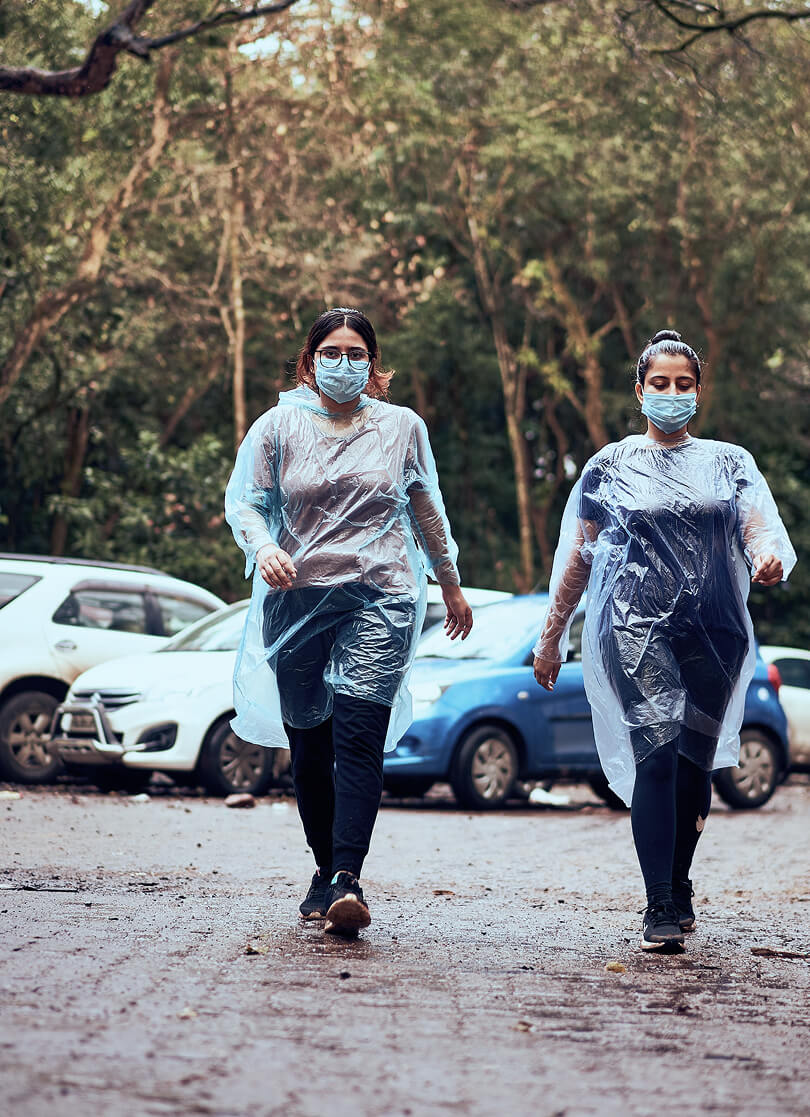
Drug-resistant infections are expected to pose an increasing threat to achieving global pandemic preparedness. As seen during the COVID-19 pandemic, patients with bacterial co-infections faced a far higher mortality risk. At the same time, during a pandemic, it is harder to maintain infection control measures and antimicrobial stewardship due to factors like overcrowded healthcare settings and healthcare staff shortages. All this can lead to increases in secondary infections. With drug resistance on the rise, such infections will become increasingly difficult – or sometimes impossible – to treat, making it even more challenging to protect people during a pandemic.
Pandemic preparedness entails a range of activities, from disease surveillance to health systems strengthening, and ensuring everyone has timely access to countermeasures, like vaccinations, diagnostics and treatments, including antibiotics that protect people from secondary bacterial infections.
Pandemics also drive up antibiotic use, often by 20% or more, which in turn can help to accelerate drug resistance. It can also create a dangerous cycle, with AMR making pandemics deadlier, while pandemics exacerbate AMR, undermining future global health security.

3x
Increase in risk of death due to secondary bacterial infections during a pandemic.

Spike in use of antibiotics during the COVID-19 pandemic.
What needs to be done?
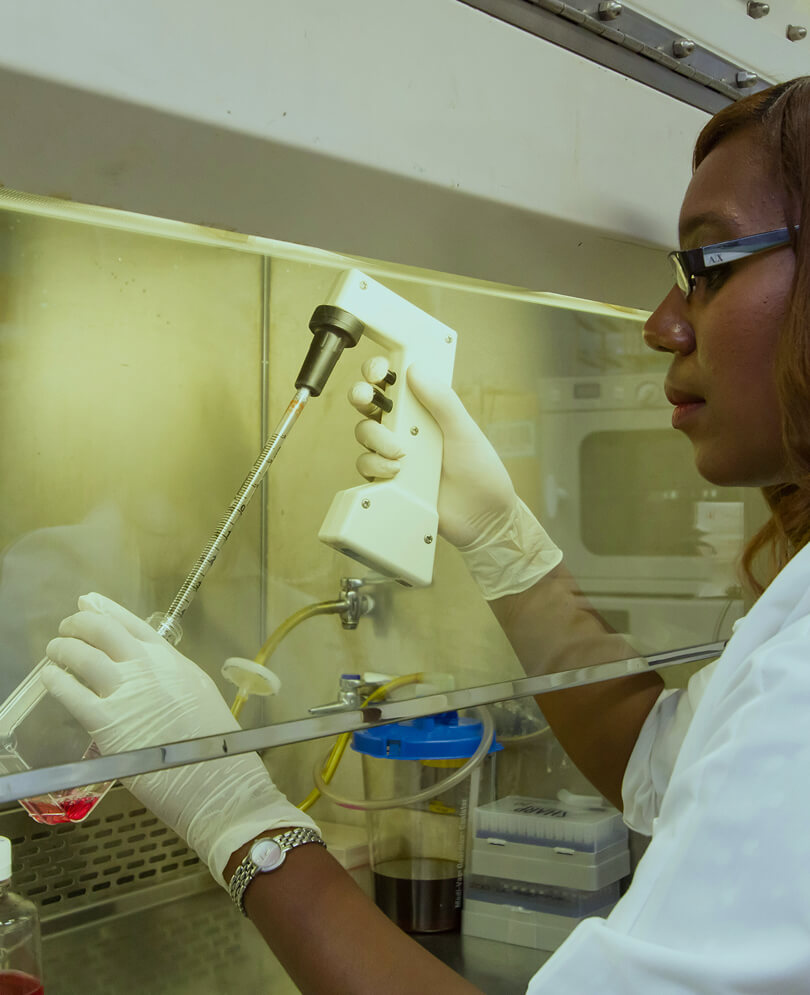
To mitigate the threat that AMR poses to pandemic preparedness, there is a need to develop appropriate antibiotics and AMR diagnostics relevant to critical public health needs. We must also strengthen antibiotic stewardship and maintain appropriate antimicrobial use during a pandemic. Bolstering the global capacity for AMR pathogen surveillance and early detection of novel AMR pathogens is key. Finally, we must ensure that everyone, everywhere, has timely access to appropriate and effective antibiotics.
Filling vital data gaps in disease surveillance and identifying the antibiotic needs of key high-burden countries is also crucial as these will help remove barriers to access and support countries with introducing antibiotics.

Develop
appropriate antibiotics and AMR diagnostics relevant to critical public health needs and ensure equitable access to them.

Maintain
antibiotic stewardship during a pandemic and beyond.

Bolster
AMR pathogen surveillance and identify antibiotic needs of key high-burden countries.