

SECURE.
The need for access to essential antibiotics for everyone, everywhere.
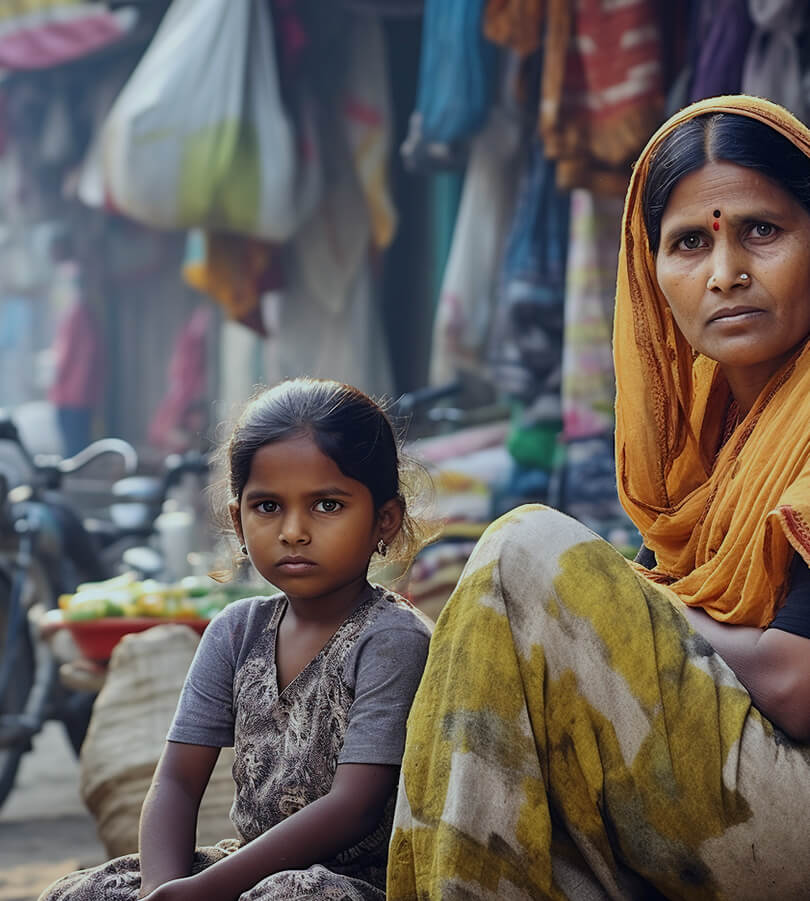
The availability of quality-assured antibiotics is critical for public health. However, a lack of consistent access to many essential antibiotics is costing lives, especially in low- and middle-income countries (LMICs) where the burden of drug-resistant infections is the greatest. Often the right antibiotics are not being developed, and when they are, people in most parts of the world, particularly in LMICs, don’t have access to them.
More than 50 million deaths could be prevented by 2050 by improving access to new and existing antibiotics.
Expanding access
to essential antibiotics through SECURE.
Part of GARDP’s work in improving access to quality-assured antibiotics is via SECURE, an initiative created by GARDP and the World Health Organization (WHO) and launched in 2020. SECURE aims to catalyze multi-stakeholder collaboration within LMICs to develop innovative ways to improve access to newly developed and good-quality antibiotics that are currently in short supply or not widely available.
While SECURE was initiated by WHO and GARDP, the long-term goal is for countries and regional bodies to take the lead – developing and implementing tailored structures, tools and mechanisms – to address the unique challenges they face and sustainably improve access to antibiotics for their populations.
How does SECURE work?
The SECURE antibiotic portfolio is selected in collaboration with countries and could include Access, Watch, and Reserve antibiotics. Through this initiative, SECURE is working to improve market efficiency and predictability, striving to reduce costs, streamline procurement, and give clearer demand signals to manufacturers to help ensure a stable, sustainable supply of quality antibiotics.
By collaborating with national and regional stakeholders, the SECURE initiative is developing access plans and targeted interventions for prioritized antibiotics. The SECURE initiative has created an Antibiotic Market Shaping Working Group that brings together countries and regional and international procurement entities to share market intelligence and explore opportunities to coordinate procurement. In parallel, the SECURE initiative seeks to support country- and region-led exercises that update and optimize their antibiotic formularies to ensure the availability of appropriate treatments for the prevailing resistance patterns. Promoting antibiotic stewardship is also key.
This is guided by WHO’s operational framework for introducing new antibiotics, and informed by lessons from GARDP’s experience, including the introduction of the antibiotic cefiderocol.
Key findings
Today, the SECURE initiative has developed practical evidence and tools to strengthen access to antibiotics. An economic model quantifying the costs and impact of interventions to improve access to antibiotics has been published as well as a procurement and catalytic financing toolkit to support incentives for suppliers and countries. Several key analyses have been produced, focusing on antibiotic shortages, reviews of market challenges and regulatory and policy actions in LMICs.
Antibiotic demand forecasting and Cost of Goods Sold models have been developed to support better planning, together with tools to help countries prepare for the introduction and appropriate use of antibiotics in line with WHO guidance. Support has been provided to Malaysia so it can optimize its formulary and identify priority products.
Where does the project stand today?
The SECURE initiative is now moving firmly into a phase of implementation and regional expansion. It is being rolled out across several geographies, with plans to refine its economic and health benefits analysis tool and forecasting models. This is being done together with the Malaysian Ministry of Health, Thailand’s Health Intervention and Technology Assessment Program (HITAP), the Pan American Health Organization (PAHO) in Latin America, and the African CDC.
In Malaysia, following a successful SECURE assessment workshop, the Ministry of Health has assigned a dedicated team to apply the SECURE initiative to antibiotics facing access challenges, using ceftazidime/avibactam as a pilot product. This work has also catalyzed regional dialogue, with Malaysia agreeing to formal discussions with Thailand on potential joint procurement. As part of the SECURE initiative in Thailand, HITAP convened its first national workshop on antibiotic access in 2025 to identify access gaps, and structure responses using the SECURE toolkit.
Across Africa, WHO has led a survey of health ministries to identify and prioritize antibiotics that are frequently unavailable. GARDP led a complementary survey focusing on antibiotics used for the treatment of neonatal sepsis. Next steps will focus on engaging regional and continental stakeholders to design targeted interventions for these prioritized antibiotics. Work is also ongoing in Nigeria, Cote d’Ivoire and Guinea Bissau through the ComBac-Africa consortium. This project will establish the prevailing resistance patterns in hospitals and will endeavour and work to ensure the appropriate antibiotics are available and can be scaled to those in need.
In Latin America, PAHO, with GARDP’s support, is convening governments and national leaders to define a regional priority list of antibiotics and agree on a tailored package of interventions to improve access in the region.
Resources
In vitro activity of zoliflodacin against Neisseria gonorrhoeae collected in the United States from 2020 to 2022
Read more
New drug for super-gonorrhoea points to better antibiotic development
Read more